
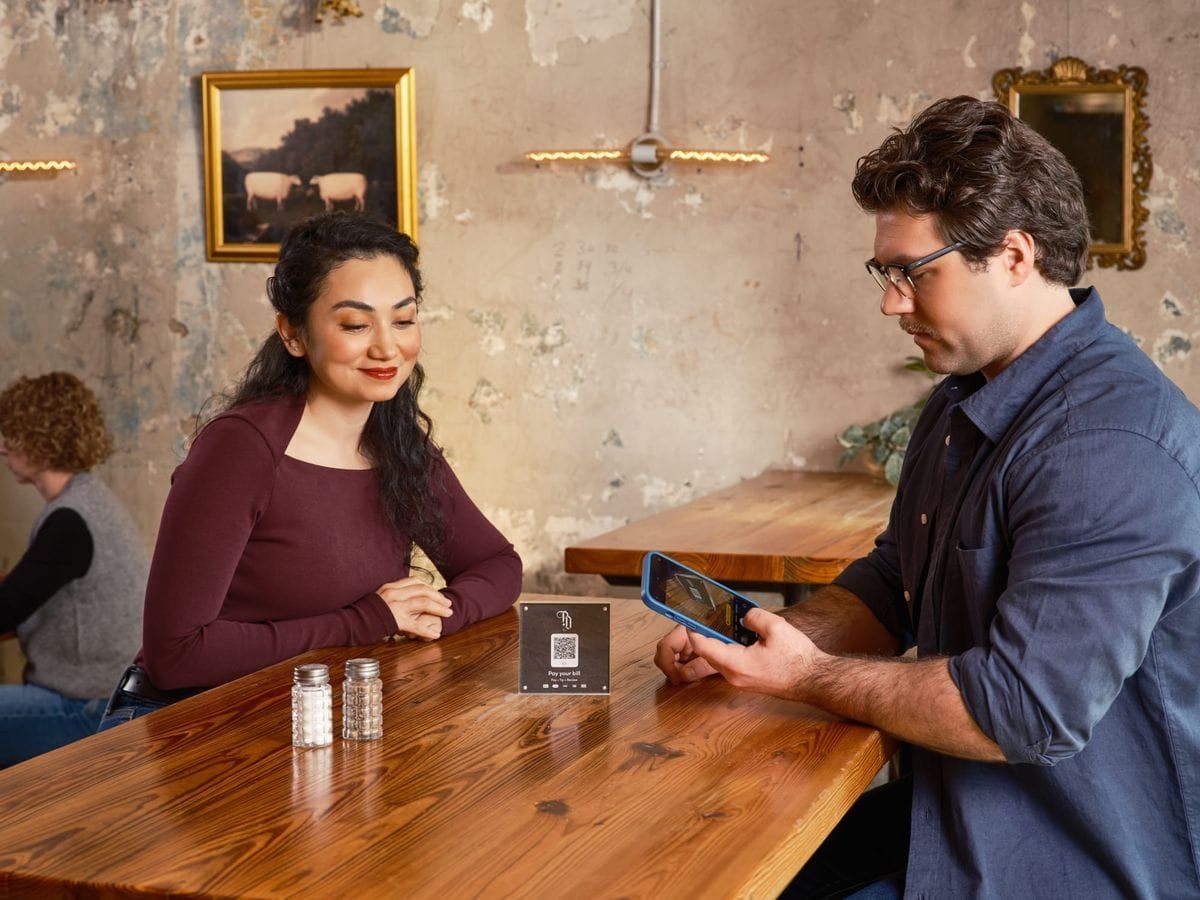
Most restaurant operators are already using QR codes in some capacity. The real question is whether they’re using them to their full potential.
In this guide, you’re going to learn:
- How QR codes can support nearly every step of the customer experience
- Best practices for making QR codes easy to use
- How restaurants are leveraging QR codes to improve operations and make more money
Used correctly, QR codes offer a simple, reliable way to make everyday customer interactions a little easier without adding more to your team’s plate.
10 ways restaurants are using QR codes today
Here are some of the most practical ways restaurant operators are putting QR codes to work.
1. Use QR codes for digital menus
Digital menus remain one of the most common uses for QR codes, and for good reason. Instead of reprinting menus every time prices change or seasonal items rotate, restaurants can simply update the information online and let guests access it with a quick scan.
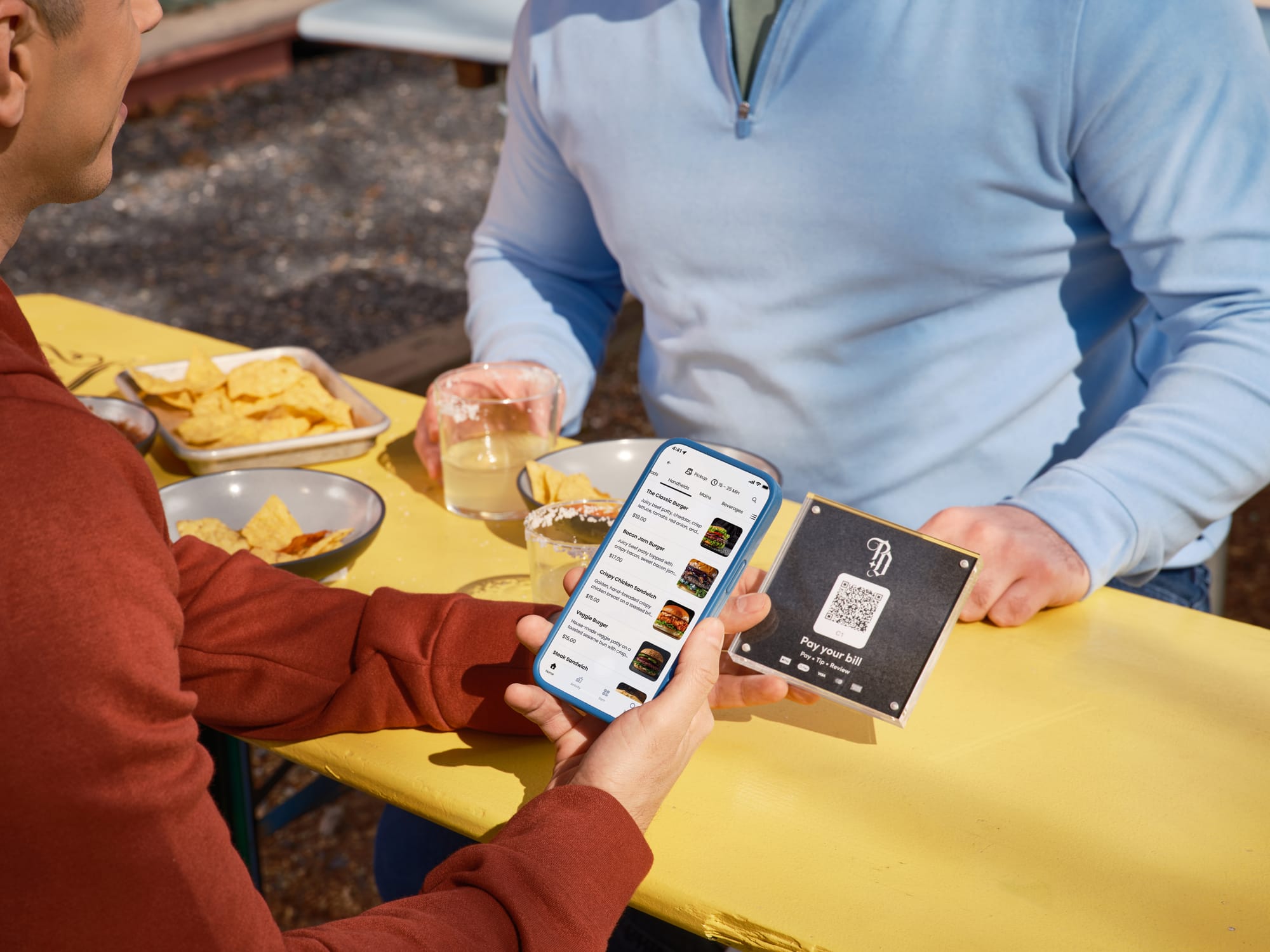
QR menus also give operators more flexibility. Limited-time offers, daily specials, and menu changes can be published immediately, helping ensure guests always see the most up-to-date information.
2. Speed up checkout with mobile pay and review
One of the most popular uses for QR codes is giving guests the ability to pay without waiting for the check. Servers still take the order and provide the same level of service, but guests can close out whenever they're ready by scanning a QR code on a table placard or printed receipt.
SpotOn's Mobile Pay & Review solution takes this a step further by helping restaurants capture guest data when customers pay with Apple Pay, Google Pay, or a credit card. Guests are then prompted to leave a Google review, making it easier to generate more reviews and improve local SEO over time.
WATCH: Speed Up Service, Get More Reviews | SpotOn Mobile Pay & Review
3. Let guests order from the table
QR codes can also be used to let guests place orders directly from the table. Instead of waiting for a server to take their order, customers can browse the menu, customize items, and send their order to the kitchen with a few taps.
SpotOn's QR Order & Pay solution is built on the same technology that powers our online ordering experience, creating a familiar experience for guests. Servers can also interact with QR orders through the POS, giving restaurants the flexibility to provide as much or as little table service as they want.
WATCH: Avize Manages Dual Revenue Streams with SpotOn Handhelds and QR Ordering
4. Turn third-party customers into first-party customers
Restaurants can use QR codes to build direct relationships with customers who originally ordered through third-party delivery apps. By including QR codes on inserts inside DoorDash and Uber Eats orders, or placing them near the pickup counter, restaurants can encourage guests to order directly in the future.
Restaurants can use these QR codes to drive customers to their own online ordering page or encourage them to download their restaurant app. Converting third-party customers into first-party customers gives operators more control over the guest experience and creates additional opportunities to drive repeat business.
5. Grow your loyalty program
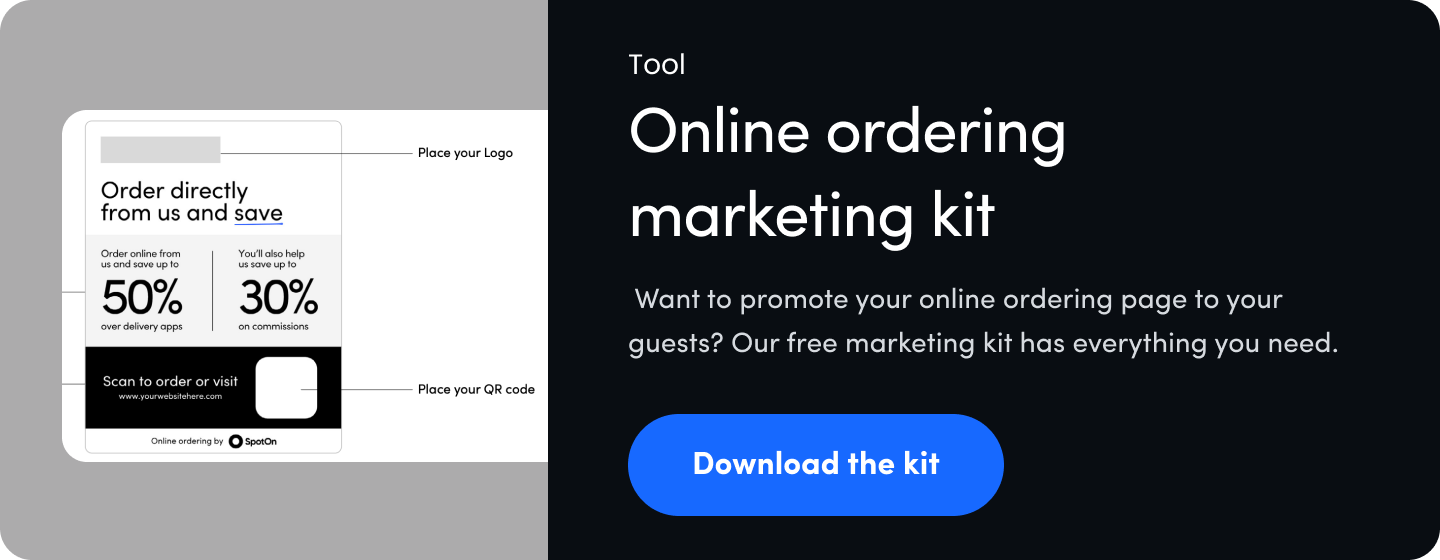
QR codes can make loyalty programs easier to join. Instead of asking guests to fill out a form or download an app, restaurants can place QR codes on table tents, receipts, and takeout packaging to make signing up quick and convenient.
Removing obstacles from the enrollment process can help more guests participate in your rewards program and encourage repeat visits. It also gives operators another way to stay connected with guests between visits and turn occasional diners into regulars.
6. Help guests join a waitlist
Long wait times don’t have to mean frustrated guests. Restaurants can use QR codes to let customers join the waitlist without waiting for a host or crowding the entrance during a rush.
By placing QR codes near the front door or wherever arriving guests might see them, operators can make the check-in process smoother and give guests the freedom to wait wherever they’re most comfortable. It shows guests you care about their experience before even being seated, setting the tone for the visit, and keeping things moving during peak hours.
7. Encourage more reviews
Too often, happy customers don’t leave reviews simply because the process takes too much effort. QR codes placed on receipts, table tents, or checkout screens make it easy for customers to share feedback while their experience is still fresh.
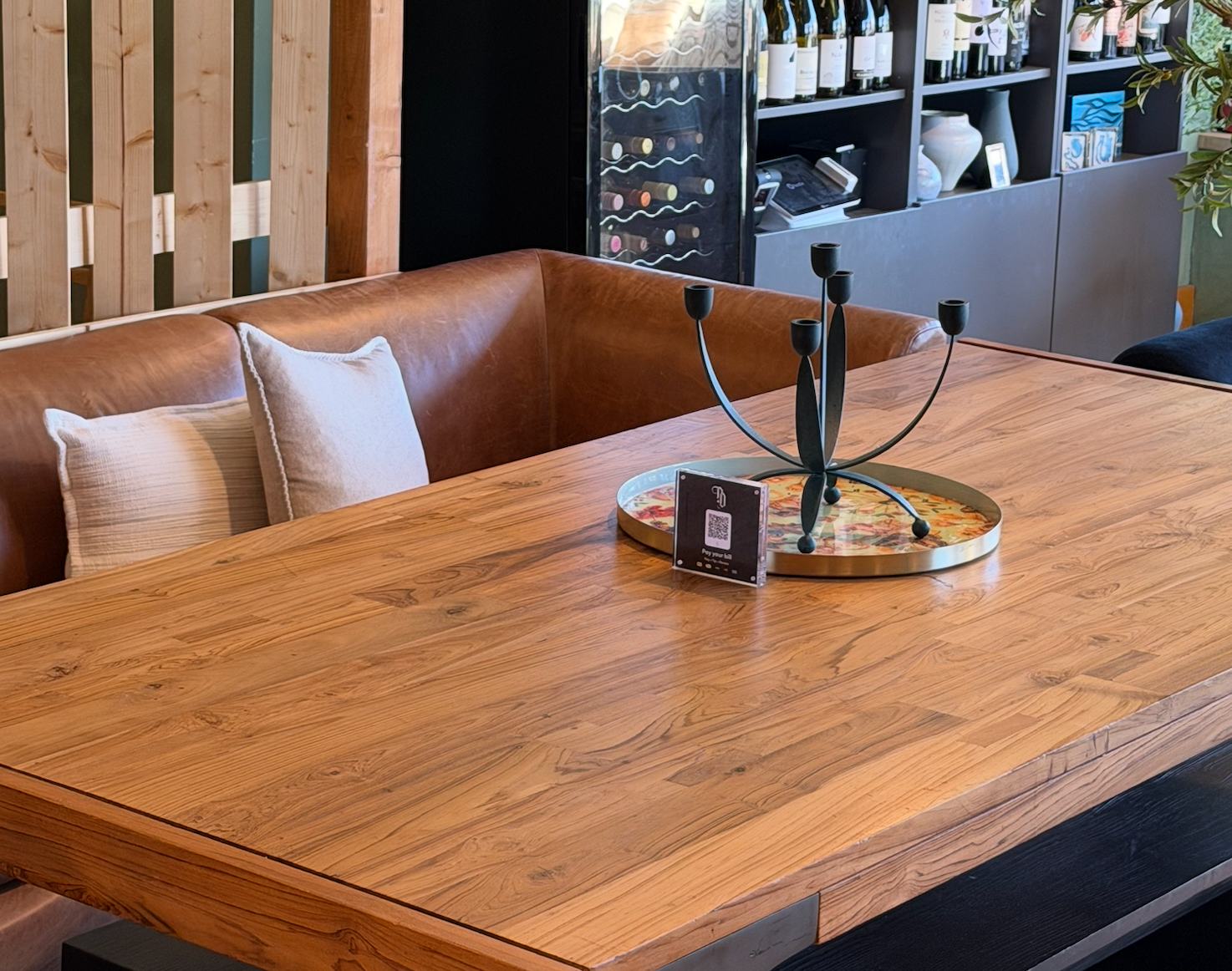
More reviews can strengthen your online reputation, improve your local SEO, and make it easier for potential customers to discover and choose your restaurant. Not every guest will leave a review, but reducing hurdles can help turn positive dining experiences into more public recommendations.
8. Sell more gift cards
Instead of having guests speak with a staff member or search your website, QR codes can take customers straight to your online gift card page with just a quick scan. You can add them to receipts, table tents, or signage near the register, host stand, or entrance.
Because QR codes make the purchasing process so easy, selling gift cards can become a substantial source of additional revenue. And since they're often purchased for birthdays, holidays, and special occasions, increased gift card sales can mean new guests being introduced to your restaurant.
9. Promote events and special offers
QR codes are a great way to give customers more information about upcoming events and special offers like trivia night, live music, happy hour specials, or seasonal menu items. This will encourage new customers to make a return visit while keeping your regular customers happy and engaged with your restaurant.
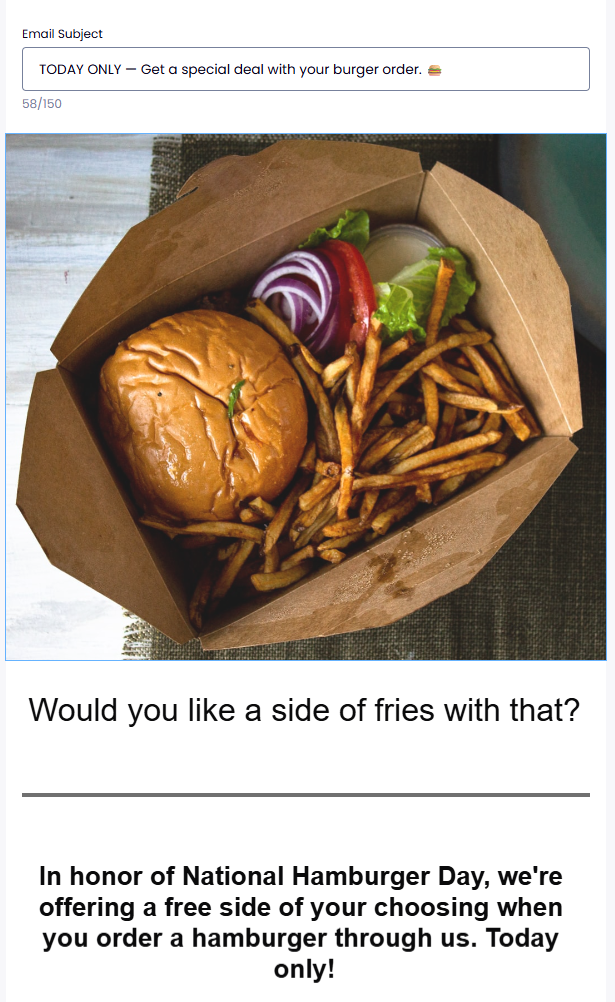
And because QR codes can be updated at any time, you have the flexibility to highlight different promotions throughout the year without needing to reprint materials.
10. Encourage guests to download your app
QR codes provide an easy way to introduce guests to your app without asking them to search for it themselves. Place QR codes on receipts, takeout packaging, and countertop displays to encourage downloads.
Once customers have your app, repeat ordering becomes more convenient and personalized. You can also use the app to promote rewards, special offers, and other experiences that encourage guests to come back again and again.
Best practices for using QR codes
QR codes are most effective when they're easy to find and lead to a simple, mobile-friendly experience. Keep these best practices in mind:
1. Tell guests what they’ll get before they scan
Guests are more likely to scan a QR code when they know exactly what to expect. A short message like "Pay your check," "Join our rewards program," or "See today's specials" can encourage more engagement.
2. Put QR codes where people naturally look
We’ve said it many times throughout this article, but it bears repeating: table tents, receipts, takeout packaging, host stands, and pickup counters are all natural places to display QR codes. The easier they are to spot, the more likely guests are to use them.
3. Test them regularly
Broken links and outdated landing pages can create frustration, hurt the guest experience, and damage your relationship. Make sure QR codes continue to work properly and direct customers to the right destination and haven’t fallen victim to QR fraud.
4. Keep the experience simple
Avoid sending guests through multiple pages or requiring too many steps. The best QR code experiences are fast, intuitive, and focused on a single action.
Frequently asked questions about using QR codes in restaurants
Looking for some quick answers to your questions about QR codes in restaurants? Here are the most frequently asked questions.
How do restaurants use QR codes today?
Restaurants use QR codes for much more than digital menus. Common applications include mobile payments, table ordering, loyalty programs, waitlists, online reviews, gift cards, event promotions, and encouraging guests to order directly or download a restaurant app.
Are QR codes still popular in restaurants?
Yes. While QR codes became widely adopted during the pandemic, many restaurants continue to use them because they make it easier to update menus, speed up service, and create more convenient experiences for guests. Today, operators are using QR codes throughout the customer journey, not just at the table.
What are the benefits of using QR codes?
QR codes can help restaurants reduce friction, simplify operations, and create more convenient experiences for guests. They can also support revenue growth by encouraging repeat visits, increasing gift card sales, capturing more reviews, and strengthening customer relationships.
How can QR codes help speed up service?
QR codes can help guests view menus, join a waitlist, order from the table, and pay their check without waiting for a staff member. By streamlining routine tasks, restaurants can improve efficiency while allowing employees to spend more time focusing on hospitality.
Can QR codes help restaurants get more reviews?
Yes. QR codes make it easier for satisfied customers to leave reviews while their experience is still fresh. By reducing the number of steps involved, restaurants can increase review volume and strengthen their online reputation, which can also support local SEO efforts.
Are QR codes worth using in a full-service restaurant?
Absolutely. QR codes don't have to replace traditional hospitality. Many full-service restaurants use them to complement service by making payments more convenient, simplifying waitlists, and giving guests additional ordering options while still allowing servers to play an active role in the experience.